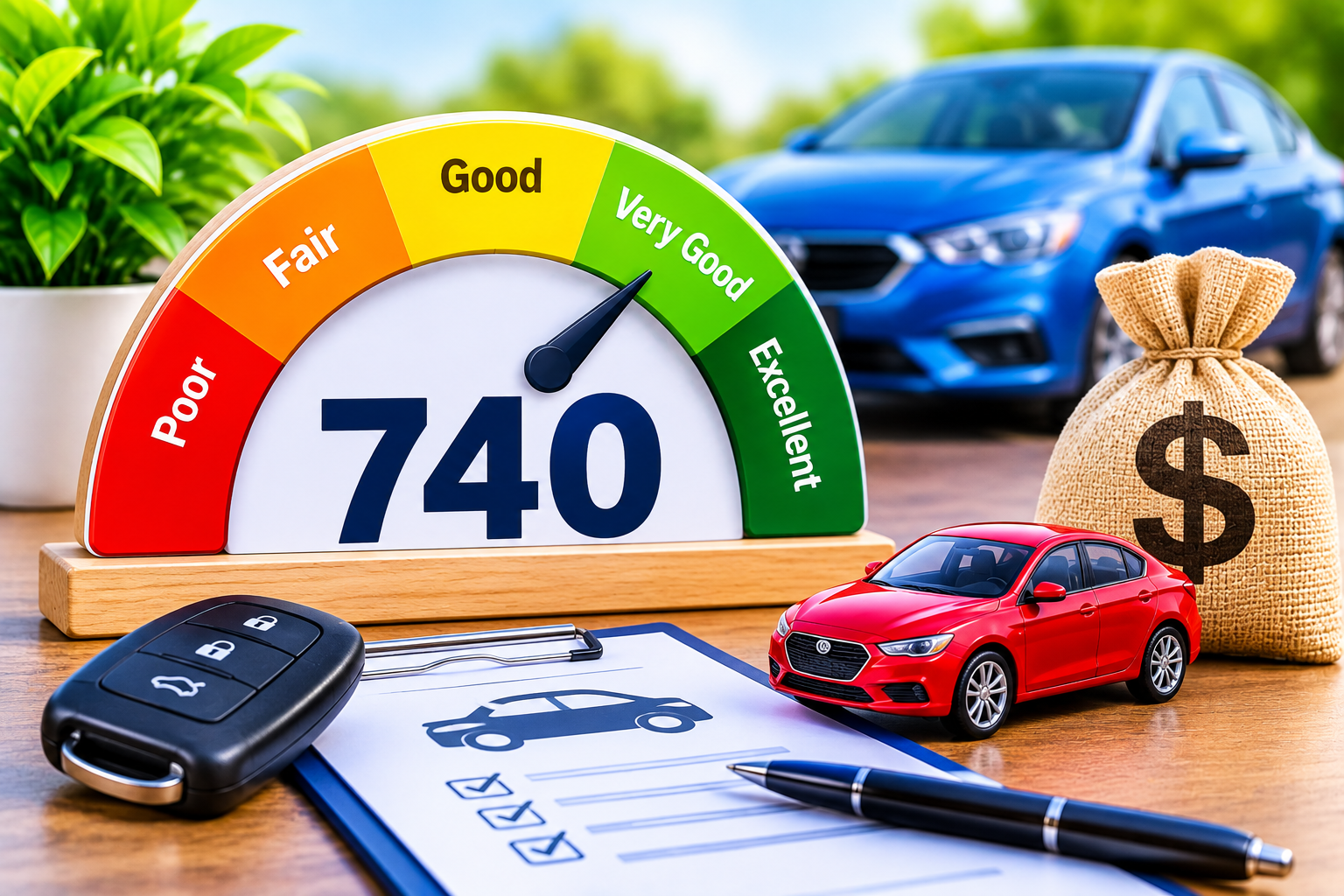
Credit Karma Credit Score: How It Works, How Accurate It Is, and How to Use It
Understanding your credit score is an important part of managing your finances. Whether you are applying for a credit card, purchasing a car, getting a mortgage, or trying to improve your financial health, knowing where your credit stands can help you make better decisions. One popular platform that allows consumers to monitor their credit is Credit Karma.
A Credit Karma credit score gives you access to free credit score information and credit reports from two major U.S. credit bureaus. It can help you understand your credit profile, track changes, identify potential reporting errors, and monitor your progress as you build credit. However, the score displayed on Credit Karma may not match the number a lender sees when you apply for financing.
Credit Karma uses the VantageScore 3.0 model and provides scores based on information from Equifax and TransUnion. Since lenders may use FICO scores, other VantageScore versions, or specialized scoring models, understanding these differences is essential.
This guide explains how Credit Karma works, whether its scores are accurate, why they sometimes differ from other credit scores, and how you can use the platform to manage your credit more effectively.
What Is a Credit Karma Credit Score?
Credit Karma is a financial technology platform that provides consumers with free access to credit scores, credit reports, monitoring tools, and personalized financial product recommendations.
It is not one of the three major credit bureaus. Instead, it works with Equifax and TransUnion to provide credit information to its members.
The credit score displayed on Credit Karma is based on the VantageScore 3.0 scoring model. This model was developed by the three major credit bureaus: Equifax, Experian, and TransUnion.
What information does Credit Karma provide?
Credit Karma offers several features that help consumers understand their credit profiles:
- Free VantageScore 3.0 credit scores from Equifax and TransUnion.
- Access to credit reports from both bureaus.
- Credit monitoring and alerts about certain changes.
- Information about factors affecting credit scores.
- Personalized recommendations for credit cards and loans.
- Tools to help consumers identify and dispute certain credit report errors.
The platform can be useful for people who want to monitor their credit without paying for a traditional subscription service. However, users should remember that the displayed score is one version of their credit score, not necessarily the exact score used by every lender.
Which Credit Score Does Credit Karma Use?
Credit Karma uses the VantageScore 3.0 credit scoring model. This is one of the most important details to understand when reviewing your score.
VantageScore is a credit scoring system created through a collaboration between the three major credit reporting bureaus. It evaluates information in your credit reports and produces a numerical score, generally ranging from 300 to 850.
Credit Karma provides VantageScore 3.0 scores from two bureaus:
Equifax: Equifax is one of the three major credit reporting agencies in the United States. It collects information about credit accounts, payment history, outstanding balances, and other financial activity.
TransUnion: TransUnion is another major credit bureau that maintains consumer credit reports. Its information may differ from Equifax because not every lender reports account activity to every bureau.
Credit Karma displays scores from both sources so users can compare their credit profiles.
Why does Credit Karma use VantageScore 3.0?
VantageScore 3.0 is designed to evaluate consumer credit information using a standardized scoring approach. It can also generate scores for some consumers with relatively limited credit histories.
For example, VantageScore 3.0 may be able to generate a score with one month of credit history and one reported account, provided its other requirements are met. FICO generally requires at least six months of credit history for a traditional FICO score.
This can make VantageScore useful for people who are relatively new to credit.
Is Credit Karma Accurate?
Yes, Credit Karma provides legitimate credit scores based on the information available from Equifax and TransUnion. However, accuracy and similarity to another credit score are two different things.
The score displayed on Credit Karma accurately reflects the VantageScore 3.0 calculation using the available information from the relevant bureau at the time of the update.
That does not mean the number will match your FICO score or the score a particular lender uses.
Why can your Credit Karma score be different?
There are several reasons your scores may vary:
- Different scoring models: VantageScore and FICO use different formulas to evaluate credit information.
- Different credit reports: Equifax, Experian, and TransUnion may not have identical account information.
- Different reporting dates: Creditors update account information at different times.
- Different score versions: Even within the same scoring brand, different versions may produce different results.
For example, you might see a 730 score on Credit Karma but a 710 FICO Score through your bank. This does not automatically mean one service is inaccurate. The two scores may use different models, bureau information, or reporting dates.
The most useful approach is to understand which score you are reviewing and monitor the underlying credit report information.
Credit Karma vs. FICO: What Is the Difference?
Credit Karma and FICO are connected to the same general credit reporting system, but they are not the same thing.
Credit Karma provides VantageScore 3.0 scores from Equifax and TransUnion. FICO is a separate credit scoring company that develops scoring models used by many lenders.
| Feature | Credit Karma | FICO |
| Scoring model | VantageScore 3.0 | FICO scoring models |
| Credit bureaus | Equifax and TransUnion | Scores can use data from all three bureaus |
| Score range | 300–850 | Usually 300–850 |
| Free access | Yes | Available free through some banks and services |
| Lender usage | Used by many lenders | Widely used by lenders |
| Score differences | May differ from FICO | May differ from VantageScore |
Which score is more important?
Neither score is automatically more important in every situation. The score that matters most is the one your lender uses when evaluating your application.
For example, a mortgage lender may use specific FICO mortgage scoring versions, while a credit card issuer may use a different FICO version, VantageScore model, or proprietary system.
If you are preparing to apply for a major loan, ask the lender which scoring model and credit bureau information it uses, if that information is available.
Credit Karma remains useful for monitoring credit trends, understanding reported information, and identifying possible problems.
Does Checking Credit Karma Lower Your Credit Score?
No. Checking your own credit score through Credit Karma does not lower your credit score.
When you access your credit information for personal monitoring, it generally results in a soft inquiry. Soft inquiries do not affect your credit scores.
Soft inquiries
A soft inquiry occurs when you or an authorized service checks your credit for informational purposes. Examples include:
- Checking your own credit score.
- Reviewing your credit report.
- Certain background or account reviews.
- Some promotional credit checks.
These inquiries do not reduce your credit score.
Hard inquiries
A hard inquiry usually occurs when you apply for a credit card, personal loan, auto loan, mortgage, or another credit product and authorize a lender to review your credit.
Hard inquiries can temporarily lower your score. The effect is often small, but it depends on your overall credit profile and the scoring model.
You can check Credit Karma regularly without worrying that the act of checking your own score will damage your credit.
How Often Does Credit Karma Update Your Credit Score?
Credit Karma checks for changes to your Equifax and TransUnion credit reports daily. However, your score will not necessarily change every day.
Your score can change when new information is added to your credit report or when existing account details are updated.
For example, your credit card issuer may report a new balance after your billing cycle. Once that information appears on your credit report, your credit utilization may change, potentially affecting your score.
Common reasons your score may update
- A credit card balance is reported.
- A payment is recorded.
- A new account appears on your report.
- A hard inquiry is added.
- An account is closed.
- A collection account is updated.
- An inaccurate item is corrected or removed.
Different creditors report information on different schedules. This means your Equifax and TransUnion scores may update at different times.
If your score does not change immediately after making a payment, it does not necessarily mean the payment was ignored. The lender may not have reported the updated balance yet.
What Factors Affect Your Credit Karma Score?
Credit Karma’s VantageScore 3.0 model evaluates several areas of your credit history. Understanding these factors can help you identify which habits may support a stronger score.
1. Payment history
Payment history is one of the most influential factors in your credit score. It reflects whether you pay your credit obligations on time.
Late payments, missed payments, and serious delinquencies can negatively affect your credit profile.
To maintain a healthy score, pay credit cards, personal loans, auto loans, and other reported accounts by their due dates. Automatic payments and reminders can help prevent missed deadlines.
2. Credit utilization
Credit utilization measures how much of your available revolving credit you are using.
For example, if you have a combined credit card limit of $10,000 and your total balances are $2,000, your utilization is 20%.
Lower utilization is generally better for your credit profile. Keeping balances below 30% is a common guideline, while lower levels may benefit some consumers.
Paying down balances and avoiding maxed-out credit cards can help support your score.
3. Length and depth of credit history
Your credit history shows how long you have been managing borrowed money.
Scoring models may consider the age of your oldest account, the average age of your accounts, and how much experience you have with different types of credit.
A longer history of responsible account management can help demonstrate reliability. Avoid closing older accounts without considering the potential impact on your credit profile.
4. Credit mix
Credit mix refers to the different types of credit accounts in your report.
Examples include revolving accounts such as credit cards and installment accounts such as auto loans and personal loans.
Having experience with different account types may contribute positively to your credit profile. However, you should not take out unnecessary loans just to improve your credit mix.
5. Recent credit activity
Recent credit activity includes new credit applications and recently opened accounts.
Applying for several credit cards or loans within a short period can create multiple hard inquiries. New accounts can also affect the age and structure of your credit history.
Apply for new credit only when it supports a genuine financial need.
How to Improve Your Credit Karma Credit Score
If your Credit Karma score is lower than expected, you can take practical steps to improve your credit profile. The process requires consistency because scoring models evaluate your credit history over time.
Pay every bill on time
Make all required payments before their due dates. Payment history is an important part of your credit profile, and repeated late payments can make it difficult to build strong credit.
Set reminders or automatic payments to stay organized.
Reduce credit card balances
High credit card balances can increase your utilization ratio. Paying down outstanding balances may help improve your score after the updated information is reported.
Try to avoid using most of your available credit, even if you can afford the minimum monthly payment.
Review your credit reports
Check your Equifax and TransUnion reports for incorrect balances, unfamiliar accounts, duplicate entries, or inaccurate payment information.
If you discover an error, dispute it with the relevant credit bureau and provide supporting documents. You can also contact the lender that reported the information.
Avoid unnecessary hard inquiries
Each credit application can result in a hard inquiry. Several applications within a short period may affect your score and make your recent credit activity appear more intensive.
Research eligibility requirements before applying for a new credit product.
Maintain older accounts responsibly
Older accounts can contribute to the length of your credit history. If an account has no annual fee and is manageable, keeping it open may help preserve your available credit and account history.
However, do not keep an account that creates unnecessary fees or financial risk just for the sake of your score.
Monitor your progress
Use Credit Karma to track changes in your Equifax and TransUnion scores. Pay attention to the factors identified in your account and review whether your credit reports accurately reflect your financial activity.
Remember that a score can fluctuate as information changes. Focus on long-term improvements rather than reacting to every small movement.
Is Credit Karma Really Free?
Credit Karma offers free access to its advertised credit scores and credit reports from Equifax and TransUnion.
Users can check their scores, review credit information, and access monitoring features without paying a standard subscription fee for those core services.
However, free access does not mean the platform has no business model.
How does Credit Karma make money?
Credit Karma may earn money when members use certain financial products recommended through its platform. For example, a bank or lender may pay Credit Karma when a consumer applies for or is approved for a recommended product.
This means you may see recommendations for credit cards, loans, or other financial services while using the platform.
You should compare those recommendations with other available offers before applying. Consider interest rates, fees, repayment conditions, and your own financial needs rather than relying only on a recommendation or approval estimate.
Credit Karma Benefits and Limitations
Credit Karma can be a useful credit monitoring tool, but it is important to understand what it does well and where its limitations are.
Benefits of Credit Karma
- Free access to VantageScore 3.0 scores from two major credit bureaus.
- Access to Equifax and TransUnion credit reports.
- Regular monitoring for certain credit report changes.
- Helpful explanations of credit score factors.
- Alerts that may help you identify suspicious activity or reporting errors.
- Personalized financial product recommendations.
Limitations of Credit Karma
- It does not provide FICO scores.
- Its scores may differ from the numbers used by lenders.
- It does not provide a score directly from Experian.
- Creditors may update information at different times.
- Product recommendations may be influenced by commercial partnerships.
Understanding these limitations helps you use Credit Karma as a monitoring tool rather than treating its score as the only number that matters.
How to Use Credit Karma Before Applying for a Loan
Checking your credit before applying for financing can help you prepare and avoid surprises.
Start by reviewing both your Equifax and TransUnion scores. If the numbers differ, compare the underlying reports to see whether one bureau has missing or outdated information.
Next, review your payment history, credit card balances, recent inquiries, and account information. Correct any errors before submitting an important application.
If you are applying for a mortgage or auto loan, consider checking the scoring model used by the lender. Your Credit Karma score may provide a useful indication of your credit health, but it may not match the score used for the final lending decision.
You should also review your budget and existing debt. A strong credit score does not automatically mean you can comfortably afford another monthly payment.
Conclusion
A Credit Karma credit score is a useful way to monitor your credit health without paying for basic score access. The platform provides free VantageScore 3.0 scores and credit reports from Equifax and TransUnion, helping consumers track changes, understand credit factors, and identify possible reporting errors.
However, Credit Karma does not provide FICO scores, and the number displayed may differ from the score a lender uses. These differences are normal because credit scoring models, bureau information, and reporting dates can vary.
For the best results, use Credit Karma as one part of your overall financial routine. Pay bills on time, keep credit card balances manageable, review your reports regularly, and apply for new credit carefully. Consistent financial habits can help you build a stronger credit profile over time.
Frequently Asked Questions
1. Is Credit Karma credit score accurate?
Yes. Credit Karma provides VantageScore 3.0 scores based on information from Equifax and TransUnion. The scores are valid for that model and the available bureau information, but they may differ from FICO scores or other scores used by lenders.
2. Does Credit Karma show your FICO score?
No. Credit Karma provides VantageScore 3.0 scores, not FICO scores. You may be able to access a FICO score through your bank, credit card issuer, or a dedicated credit scoring service.
3. Does using Credit Karma hurt your credit score?
No. Checking your own score through Credit Karma is considered a soft inquiry, which does not lower your credit score. Hard inquiries associated with certain credit applications can temporarily affect your score.
4. Why is my Credit Karma score different from my bank’s score?
Your bank may show a FICO score or a different version of a credit scoring model, while Credit Karma uses VantageScore 3.0. Different credit bureau information and reporting dates can also cause scores to vary.
5. How often does Credit Karma update credit scores?
Credit Karma checks Equifax and TransUnion credit reports daily for changes. Your score may update when new account information, payment activity, balances, or other credit report details become available.
One thought on “Credit Karma Credit Score: How It Works, How Accurate It Is, and How to Use It”